Construction Loans in Texas
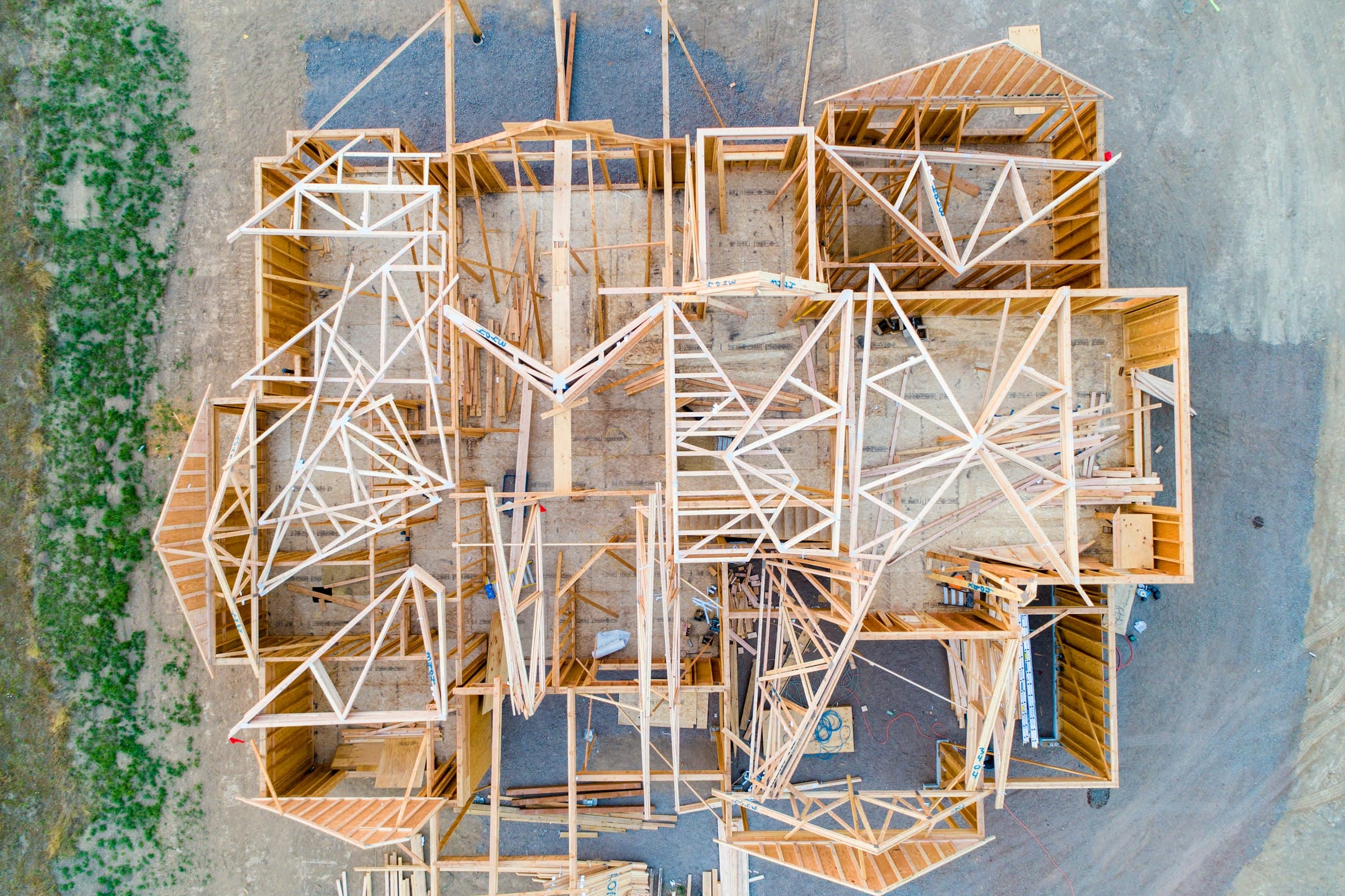
A construction loan is designed for one purpose: to fund the building of a home that does not yet exist. It works differently from a standard purchase mortgage. Rather than advancing the full loan amount at closing, the lender releases funds in stages, called draws, as your builder completes defined milestones. During the build you pay interest only on the amounts drawn, not on the full loan. When construction is complete, the loan either converts to a permanent mortgage or is paid off by a new one, depending on which structure you choose at the start.
Getting this right from the beginning matters. The loan is underwritten on the strength of your builder's plans and budget, a subject-to-completion appraisal that estimates the finished home's value, and your own financial profile. Apex Capital Mortgage works through that process with you before the first shovel breaks ground, so you understand exactly what is expected at each stage and there are no surprises when it is time to close on the permanent financing.
Is a Construction loan right for you?
- Buyers who have chosen a lot or already own land and want to build a custom or semi-custom home rather than purchase an existing one.
- Homeowners planning a full teardown and rebuild on a lot they own, where a standard purchase loan does not apply.
- Buyers working with a licensed general contractor or a production builder on a new home in a Texas subdivision where the home is not yet complete.
- Borrowers who want a single closing, single set of closing costs, and a defined path from construction financing to a permanent mortgage without having to qualify twice.
How Construction loans work in Texas
Texas has been one of the most active new-construction markets in the country in recent years. The Dallas-Fort Worth metroplex, Houston, Austin, and San Antonio each draw large volumes of new builds every year, driven by population growth and land availability that older coastal markets simply do not have. That activity extends to the Hill Country, where towns like Boerne, New Braunfels, and Kerrville have seen steady demand for custom homes on larger acreage lots. A construction loan is often the only financing tool that fits those builds, because there is no existing structure to appraise at the time of application.
Texas does not have a state income tax, which influences how buyers allocate their budgets, and construction costs vary meaningfully by region. Labor and material costs in the Austin corridor and the suburban rings around Dallas-Fort Worth tend to run higher than in smaller Hill Country communities. Your lender will review the builder's full budget and the subject-to-completion appraisal to make sure the loan amount is sized to the actual scope of work, not an optimistic estimate.
One detail specific to Texas real estate: if you already own the lot, the equity in that land can often count toward the down payment or equity requirement on the construction loan. That is a meaningful advantage for buyers who purchased land separately and are now ready to build. The lender will order an appraisal of the lot as part of the overall underwriting, and the combined loan-to-value calculation will factor in that existing equity.
Texas construction loans are subject to the same federal lending regulations as loans in any other state, but Texas has its own homestead laws and lien rules that affect how construction contracts and draw disbursements are structured. Working with a lender who is experienced in Texas construction financing, and pairing that with a builder and title company familiar with Texas mechanics lien law, keeps the draw process clean and protects all parties through the build.
This program may be available in the 22 states where our broker is licensed. Availability varies by property, borrower, and program requirements.
Review licensed statesWhat the Construction program includes
- One-time close option: single closing, single set of costs
- Interest-only payments during construction on drawn funds only
- Funds disbursed in a draw schedule tied to verified milestones
- Third-party inspections required before each draw is released
- Subject-to-completion appraisal used to underwrite the finished value
- Land equity may count toward your down payment requirement
- Builder and general contractor reviewed and approved before closing
- Loan converts to a permanent fixed or adjustable mortgage at completion
General parameters
These figures are illustrative starting points. Your actual loan terms depend on your credit profile, income, assets, property, and current market conditions.
- Construction period
- Typically 6 to 18 months, depending on project scope and builder timeline
- Down payment or equity
- Often 20% or more of the total project cost; existing land equity may count toward this requirement
- Interest during construction
- Charged only on the outstanding drawn balance, not the full loan amount
- Permanent loan structure
- Converts to a fixed or adjustable-rate mortgage at completion; terms vary by program and borrower qualifications
- Builder requirement
- Licensed general contractor or approved builder, reviewed and accepted by the lender before closing
Mortgage services are offered through Directions Equity LLC d/b/a REV Mortgage (Company NMLS #214519; San Antonio Branch NMLS #2583932). Apex Capital Mortgage supports Equal Housing Opportunity. This is not a commitment to lend. All loans are subject to credit approval, income and asset verification, and property appraisal. Rates, terms, and programs are subject to change without notice and may vary by borrower and property. Not all applicants will qualify. Information on this site is for general educational purposes and does not constitute financial or legal advice.
Construction loan questions
- What is the difference between a one-time close and a two-time close construction loan?
- A one-time close, also called a construction-to-permanent loan, has a single closing before construction begins. The construction financing and the permanent mortgage are combined into one transaction, so you pay one set of closing costs and qualify up front. A two-time close uses a separate short-term construction loan that is paid off by a new, stand-alone mortgage once the home is finished. You close twice and pay closing costs twice, but a two-time close can offer more flexibility if your situation is likely to change during the build. Which structure makes sense depends on your timeline, your builder's contract, and how confident you are that your financial picture will stay consistent through construction.
- How does the draw schedule work, and who controls when money is released?
- Before closing, you and your builder agree on a draw schedule tied to construction milestones, such as foundation completion, framing, rough mechanical work, drywall, and final completion. When the builder reaches a milestone, they submit a draw request. The lender orders an inspection to verify the work is done and meets the plan. Once the inspection clears, the lender releases that portion of the funds. This process protects you by ensuring money is tied to verified progress rather than released in a lump sum at the start.
- Can I use land I already own as part of my down payment?
- In most cases, yes. If you own a lot free and clear, or have meaningful equity in it, a lender will typically apply that equity toward the down payment or equity requirement on the construction loan. The lender will order a current appraisal of the lot to establish its value, and the loan-to-value calculation for the overall project will factor in that equity. This is a common scenario in Texas, particularly for buyers who purchased Hill Country or suburban acreage separately before beginning the design and planning process.
- Does my builder have to be approved by the lender?
- Yes. The lender will review your general contractor or builder as part of the underwriting process. This typically means confirming that the builder is properly licensed in Texas, carries general liability and workers compensation insurance, has a track record of completed projects, and is willing to work within the lender's draw and inspection requirements. If you are considering a custom builder you have not worked with before, it is worth discussing the lender's approval process early, before you sign a construction contract.
Ready to move forward?
Tell us about your situation and we will walk you through the numbers. No obligation, no jargon.
Ready to see your rate?
Get a real pre-approval conversation with a mortgage professional who picks up the phone. Availability varies by state, program, property, and borrower qualifications.